Who and where
Company, role, relationship to the project, reachable contact, project/site city and state or country.
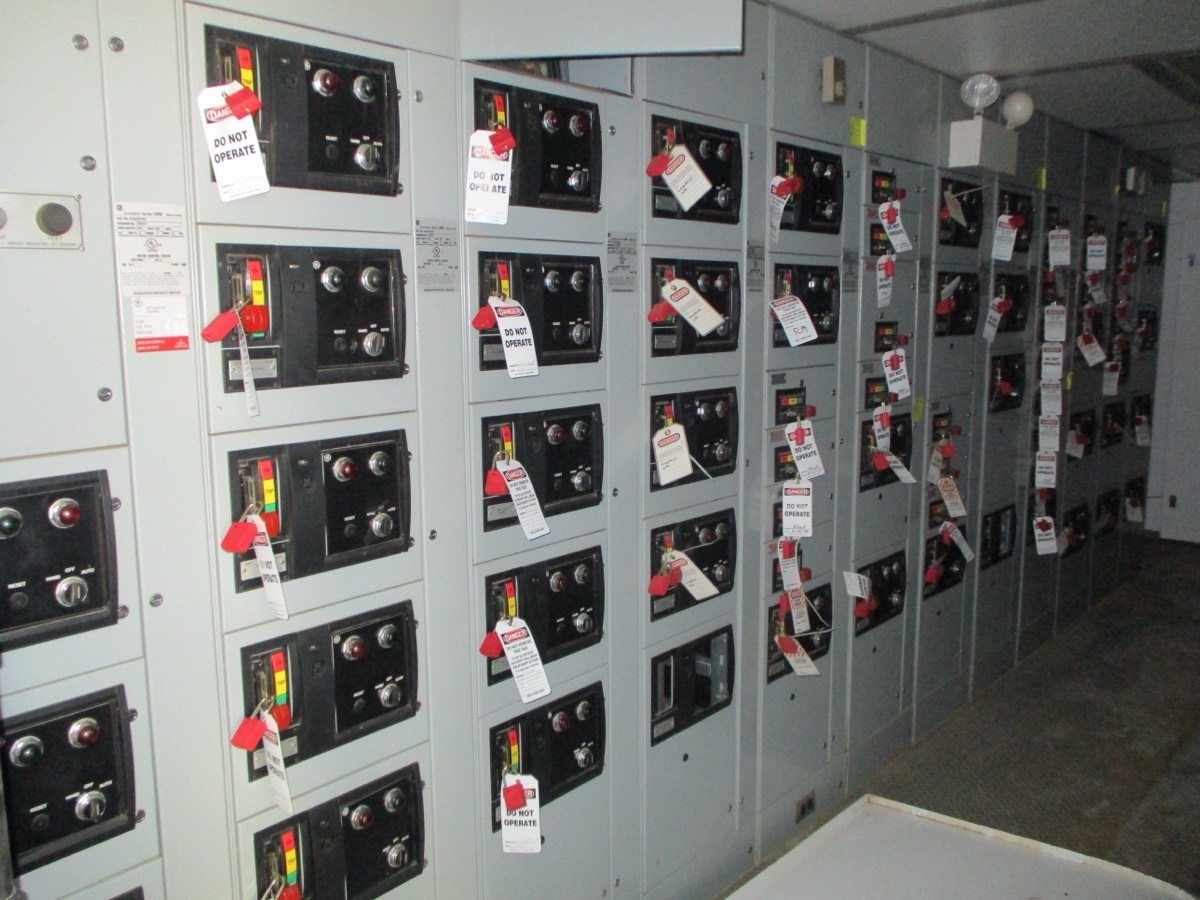



A complete RFQ reduces clarification loops and exposes schedule, approval, interface, and responsibility risks before they become expensive. Use the path-specific checklist below.
Company, role, relationship to the project, reachable contact, project/site city and state or country.
Distinct equipment category, requested outcome, current status or project phase, and a plain-language scope summary.
Known voltage, current and fault-duty information plus the return-to-service, required-on-site, outage, and energization milestones that actually control the decision.
| Information group | What to provide |
|---|---|
| Design basis | Current one-line, equipment schedule/BOM, specifications, project phase, design-release status, basis of design and approved-equal/deviation process |
| Electrical ratings | System voltage(s), continuous current(s), available fault current and required duty, BIL for MV, protection and metering requirements |
| Topology and sources | Redundancy, utility/generator/UPS/transformer/ATS relationships, transfer sequence and operating modes |
| Construction and environment | Indoor/outdoor, enclosure/NEMA, temperature, altitude, seismic, corrosive, arc-resistant, space, access, lifting and transport constraints |
| Interfaces | Cable/busway, controls, relays, metering, PLC/HMI, BMS/DCIM, communications, third-party equipment, module/skid/room and site boundaries |
| Responsibility and acceptance | Engineering/studies owner, listing/AHJ/utility owner, assembly supplier, installer, commissioning agent, FAT, documentation and warranty boundaries |
| Schedule | Design freeze, submittal/approval, release, required-on-site, installation, commissioning and energization dates |
Business contact details, non-sensitive equipment identifiers and ratings, a short project summary, general location, current status, desired outcome, and milestone dates.
Confidential one-lines, specifications, BIM/CAD, security-sensitive facility details, export-controlled or critical-infrastructure information, contract-restricted files, configuration files, large packages, or anything requiring an NDA.
Mark unknown facts as unknown and identify which engineering study, owner decision, nameplate, document, or partner must resolve them. Never substitute a plausible number.
A complete technical package can reduce clarification time. Availability, compatibility, approvals, pricing and schedule are confirmed in the written quote.