Failure or outage
Breaker, cell, control, protection, contactor, disconnect, bus interface, or other equipment is not operating as intended.
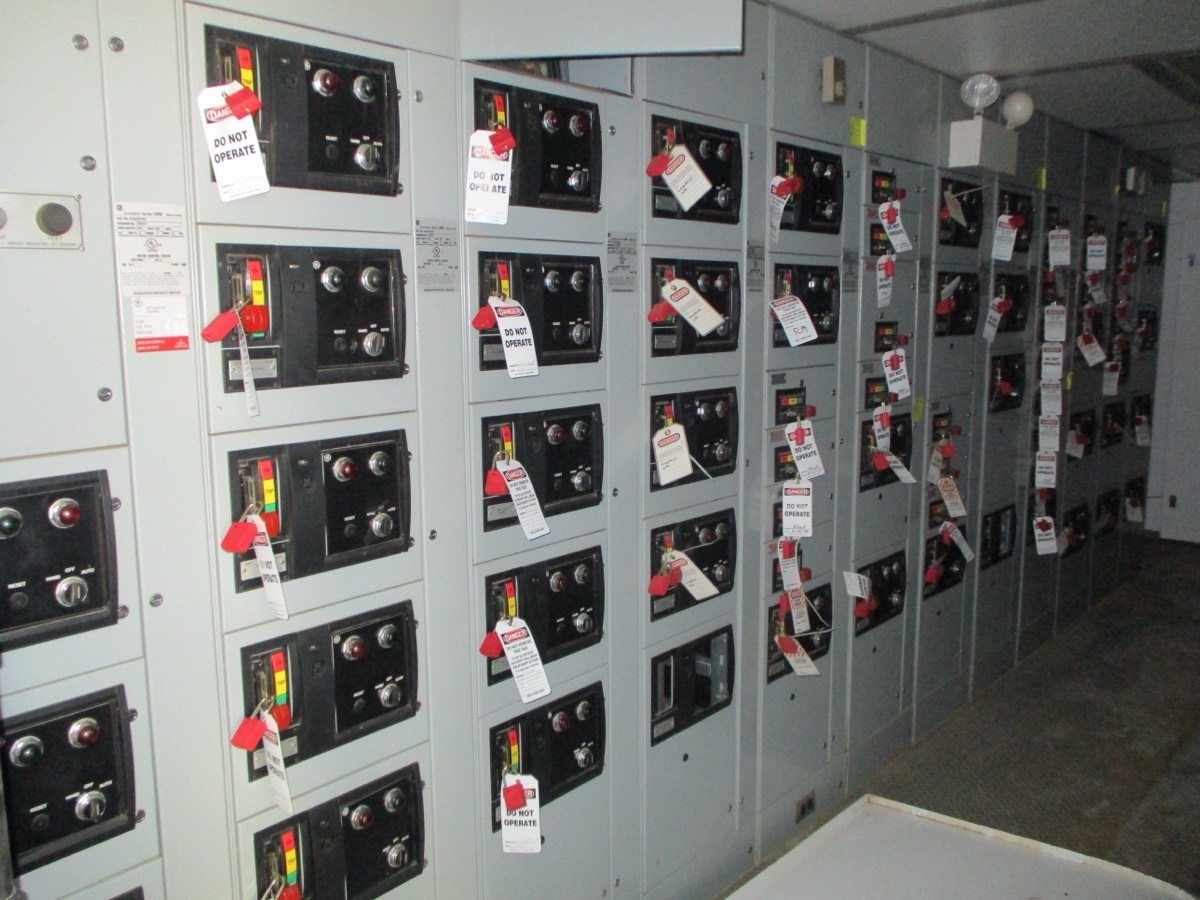



A failed breaker, aging lineup, missing component or planned outage should begin with exact identification—not a guessed crossover. Send clear nameplate information, drawings, ratings, condition and the required return-to-service date so ETSCO can evaluate the next step.
Breaker, cell, control, protection, contactor, disconnect, bus interface, or other equipment is not operating as intended.
The installed family is unsupported, documentation is incomplete, spares are uncertain, or an exact device is difficult to identify.
The owner is evaluating repair, replacement, retrofit/retrofill, control updates, additional sections, or complete replacement around an outage.
| Potential route | Information to provide | Questions that remain |
|---|---|---|
| Exact replacement | Complete device identity, suffix/revision, ratings, mounting and mechanism | Source, condition, compatibility, modifications, test status, price, warranty and approval |
| Repair | Failure symptoms, test results, visible damage, identity, service history and safety status | Root cause, repair process, parts, acceptance tests, listing implications and remaining risk |
| Retrofit or retrofill | Lineup/cell details, breaker and cradle, bus/control connections, protection, interlocks and studies | Engineering, mechanical/electrical fit, fault duty, field evaluation, installation and commissioning ownership |
| Phased modernization | Complete lineup, loading, available fault current, outage sequence, spare strategy and future-state design | Interface control, protection/coordination, construction phasing, temporary conditions and responsibility |
| Complete replacement | One-line, room/site constraints, ratings, environment, listing, studies, dates and downstream interfaces | Basis of design, approvals, removal/installation, schedule, testing and energization plan |
Preserve every character. Manufacturer family, catalog number, serial, date code, suffix, revision, frame, trip unit, sensor, control voltage, drawout/fixed construction, and interlock details may all matter.
The structured intake preserves the identifiers and dates needed for technical triage. Do not submit restricted drawings through the website form; ask ETSCO about secure transfer.